

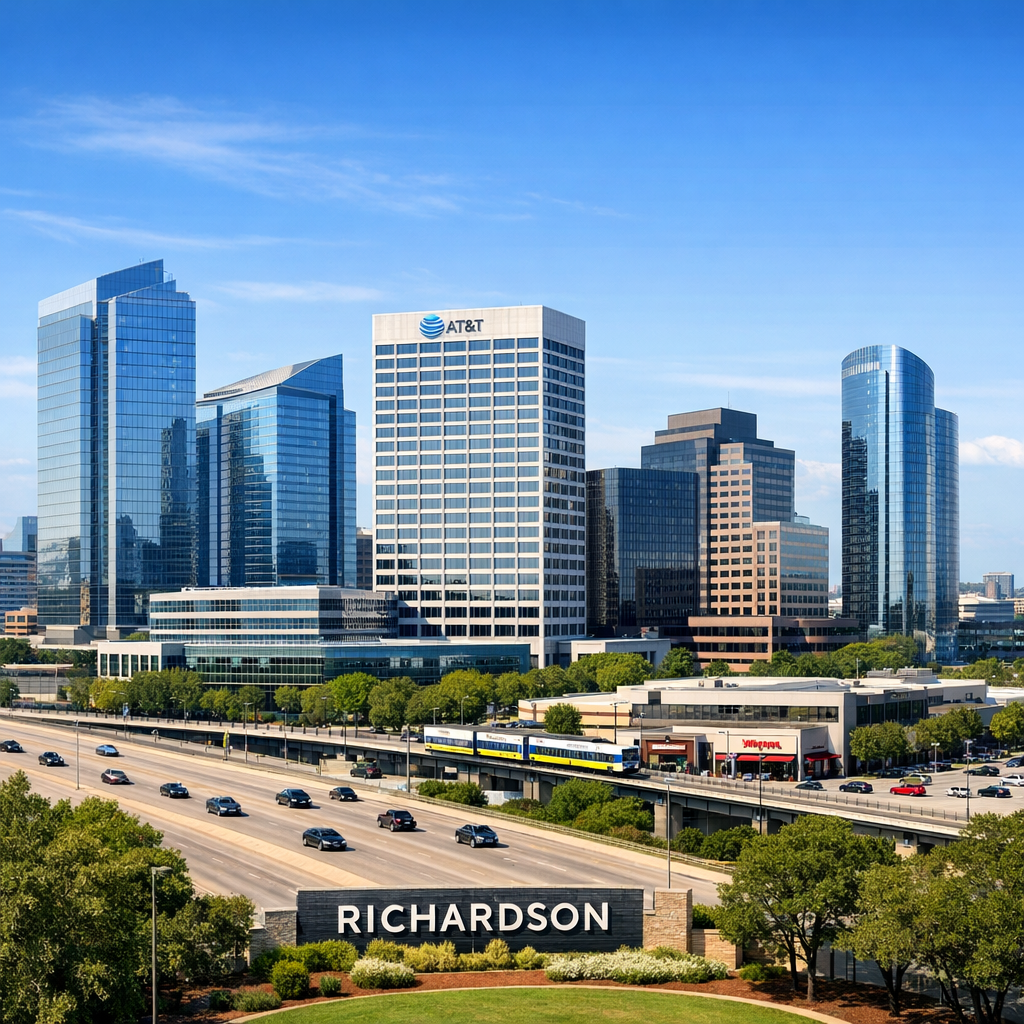
There’s a quiet hum building in Richardson’s business landscape—a mix of momentum, opportunity, and headwinds that every local entrepreneur, business owner, and job seeker should understand. From rapid industrial growth to scarce small-space availability, here’s a snapshot of where the economic energy lies and what’s just around the bend.
The Big Picture: Growth and Momentum
Richardson has long been known as a hub for technology and innovation. With over 500 tech companies and a diverse, highly skilled workforce, the city has carved out its reputation not just locally, but nationally. Recent corporate relocations and expansions have brought more than 4,000 jobs created or retained, alongside over $225 million in capital investment. Expansion has not slowed—with around 175 companies choosing Richardson in just half of 2025, generating over 3,000 new jobs in that period.
Strengths Local Businesses Can Lean Into
Deep Talent & Academic Ties
Richardson benefits from several strong ties between local education institutions—like University of Texas at Dallas, Dallas College, and Collin College—and the business community. These partnerships support training programs, entrepreneurship incubators, and talent pipelines that many founders can tap into. Programs like Startup Runway and the small business certificate offerings make launching or scaling more accessible.
Innovation Infrastructure
The Innovation Quarter (The IQ®), The CORE District, and CityLine are more than just places—they’re ecosystems. With hundreds of millions in recent investments, these spaces support startups, corporate innovation labs, and flexible work setups. Custom incentives, express permitting, and technical support are part of the package for businesses relocating here.
Challenges That Demand Attention
Limited Industrial Flex Space
Despite the growth, Richardson is facing a bottleneck in small-scale industrial space. Specialized industrial areas—ideal for small manufacturers, workshops, or burgeoning logistics firms—have availability as low as 0.5%. When you’re looking for something under 10,000 square feet, be ready: the search will require speed, flexibility, or willingness to build your own space.
Competition & Costs
High demand is pushing up costs across commercial real estate. Asking rents have cooled somewhat, but overall scarcity keeps Richardson’s rent and property prices well above many surrounding areas. For local businesses, especially those relying on foot traffic or small teams, the financial stakes are steep.
What Entrepreneurs & Small Businesses Should Do
- Leverage public resources early. City-sponsored programs can help with funding, training, and site selection.
- Think strategically about space. If you can’t find small industrial units, look at flex space or shared facilities as temporary solutions.
- Build partnerships. Academic institutions, large employers, and city programs are all allies—tap into talent and collaboration networks.
- Plan for rising costs. Factor in real estate, wages, and amenities; they’re increasingly part of business viability.
The Road Ahead
Looking forward, Richardson’s economic health is likely to continue its upward trend, driven by tech investment, strong employment sectors like finance, health care, and professional services, and ongoing demand for innovation space. But balancing growth with accessibility—especially for smaller operations and startups—will be key to keeping this city’s business ecosystem inclusive and resilient.